Starting your journey in music production is exciting, confusing, inspiring, and occasionally overwhelming—all at the same time.

In the beginning, everything feels new:

  • DAWs
  • Plugins
  • Mixing terms
  • MIDI
  • Recording workflows

And honestly, most beginners underestimate how much there is to learn.

The good news? That confusion is completely normal.

The first 30 days of learning production are less about creating perfect songs and more about building the right habits, workflow, and understanding of sound.

Week 1: Everything Feels Overwhelming

The first week of music production usually feels like entering a completely different world.

You’ll probably spend time:

  • Installing software
  • Learning your DAW layout
  • Understanding tracks and channels
  • Exploring sounds and plugins

At this stage, most beginners feel slow—and that’s expected.


The goal during this phase is not speed. It’s familiarity.

One of the biggest early challenges in learning the terminology.

You’ll start hearing words like:

  • EQ
  • Compression
  • Bussing
  • Gain staging
  • Sidechain
  • Latency

At first, these terms can sound technical and intimidating. But over time, they become part of your everyday workflow.

Learning the Language of Music Production

Week 2: Your First Real Projects

Around the second week, most students begin creating small projects inside their DAW.

This is where music production starts becoming practical instead of theoretical.

You may begin:

  • Programming drums
  • Using MIDI instruments
  • Arranging loops
  • Recording simple vocals or instruments

Your projects probably won’t sound “professional” yet—and that’s perfectly okay.


The important part is learning how ideas move from your head into a session.

A common misconception is that production is mostly about plugins and expensive gear.

But beginners quickly realize something surprising:
Good production is mostly about decisions.

Things like:

  • Choosing the right sounds
  • Arranging elements properly
  • Creating space in a mix
  • Knowing what not to add

These decisions matter far more than owning hundreds of plugins.

You’ll Realize Good Music Production Is About Decision-Making

Week 3: Frustration Usually Appears Here

This is the phase where many beginners hit a wall.

You start comparing your work to professional tracks and think:

“Why doesn’t my music sound like that?”

This happens to almost everyone learning production.

At this point, students usually discover:

  • Mixing is harder than expected
  • Sound selection matters a lot
  • Acoustics affect decisions
  • Simplicity often sounds better

This stage can feel frustrating—but it’s actually a sign of progress. Your ears are improving faster than your technical ability.

Why Learning in the Right Environment Helps

Trying to learn production entirely alone can sometimes slow down growth.

Having access to:

  • Mentors
  • Real studio workflows
  • Feedback
  • Structured learning

Can make the learning process far more efficient.


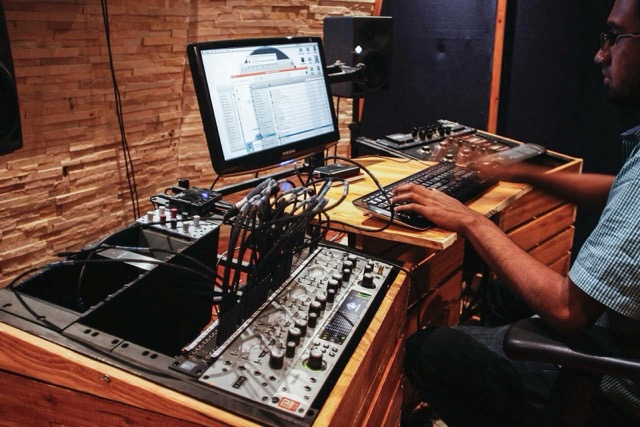
At Gray Spark Audio Academy, students learn music production through hands-on practical sessions instead of only theoretical lessons. The goal is to help students understand how professional workflows actually function in real studio environments.

Studio A

By the end of the first month, beginners usually become much more comfortable with:

  • DAW navigation
  • Basic arrangement
  • Recording workflows
  • Editing audio
  • Session organization

This is where music production starts feeling less random and more creative.


You may still be far from “professional,” but you finally begin understanding how songs are built from scratch.

Week 4: You Start Developing Workflow

Final Thoughts

Your first month in music production will probably include:

  • Excitement
  • Confusion
  • Bad mixes
  • Small victories
  • Creative breakthroughs

And that’s exactly how it’s supposed to feel.

The key is to keep creating, keep learning, and avoid chasing perfection too early.


Because every professional producer once opened a DAW for the very first time too.