
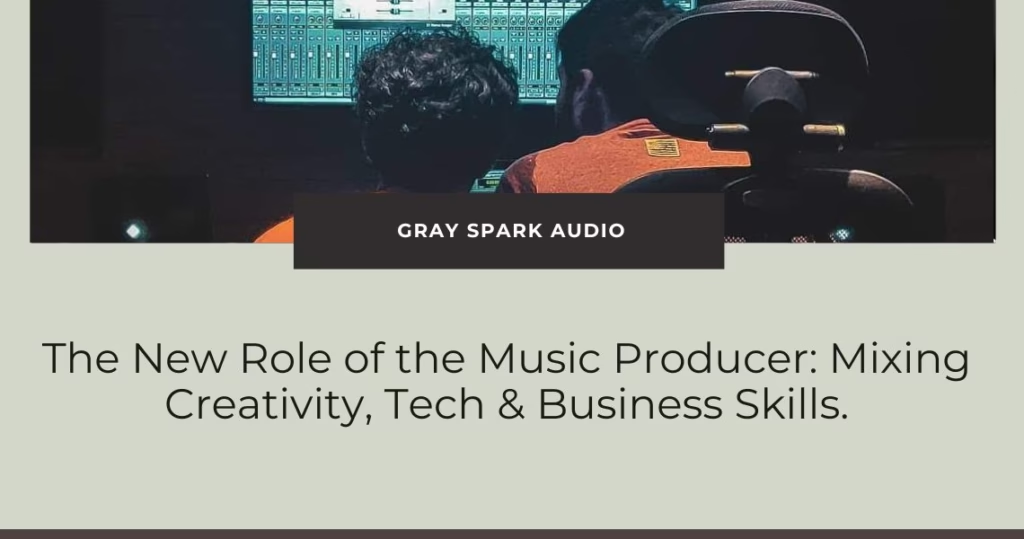
The role of a Music Producer isn’t what it used to be. A decade ago, producers focused mainly on guiding the creative process, shaping arrangements, and helping artists bring songs to life. Today, the job has evolved into something much bigger — and much more demanding.
At Gray Spark Audio Academy, we see this shift every day. Students entering the music world aren’t just learning how to make beats or engineer vocals. They’re learning to become leaders, entrepreneurs, problem-solvers, and collaborators. Modern producers wear many hats, and the future belongs to those who can balance creativity with technical and business skills.
Let’s dive into how the role of the Music Producer is changing — and what today’s students need to thrive.
1. Creativity Is Still the Foundation
No matter how much technology evolves, creativity remains the soul of music production. A great Music Producer understands emotion, dynamics, arrangement, and storytelling.
But creativity today means more than writing a chord progression or building a drum pattern. Producers now explore sound design, build unique sonic worlds, and push genres into entirely new spaces. They experiment fearlessly — blending traditional instruments with digital textures, sampling everyday sounds, or using AI tools to spark new ideas.
At Gray Spark Audio Academy, we encourage students to trust their instincts, take risks, and build their own sound identity.
2. Technology Has Become a Second Language
While creativity fuels a producer, technology powers the workflow. Modern producers must stay updated with:
DAWs like Ableton, Logic, and Pro Tools
Mixing and mastering tools
Sampling, synthesis, and sound manipulation
AI-assisted production software
Recording workflows and hardware
A Music Producer who can navigate these tools quickly has a massive advantage. Technology helps turn ideas into reality faster and more efficiently. However, the goal is not to rely on tools — but to use them intentionally.
That’s why hands-on sessions at Gray Spark Audio Academy focus heavily on understanding the why behind each tool, not just the how.

The industry has changed. Streaming platforms, social media, and independent releases have created new opportunities — and new responsibilities.
A modern Music Producer often handles:
Budgeting
Project management
Negotiation and contracts
Royalties and splits
Branding and audience engagement
Relationship-building within the industry
Today’s producers aren’t just behind the console; they are strategists. They help artists plan releases, understand trends, and build careers. Knowing how the business side works protects both the producer and the artist — and creates long-term success.
3. Producers Now Need Business Skills
The modern producer might also be:
A recording engineer
A mix or mastering engineer
A composer
A beat maker
A manager
A content creator
A performer
These roles overlap more than ever. Versatility has become a superpower. Students who understand production, engineering, brand-building, and communication stand out instantly.
4. Producers Are Becoming Multi-Disciplinary Creators
Conclusion: The Modern Music Producer Is a Creative Leader
The future belongs to Music Producers who can balance creativity with technical knowledge and business awareness. The job is no longer linear — it’s dynamic, evolving, and deeply human. Producers today shape sound and strategy.
At Gray Spark Audio Academy, we’re preparing students for this new era of music. We believe the best producers are not just skilled — they’re adaptable, curious, and always learning.