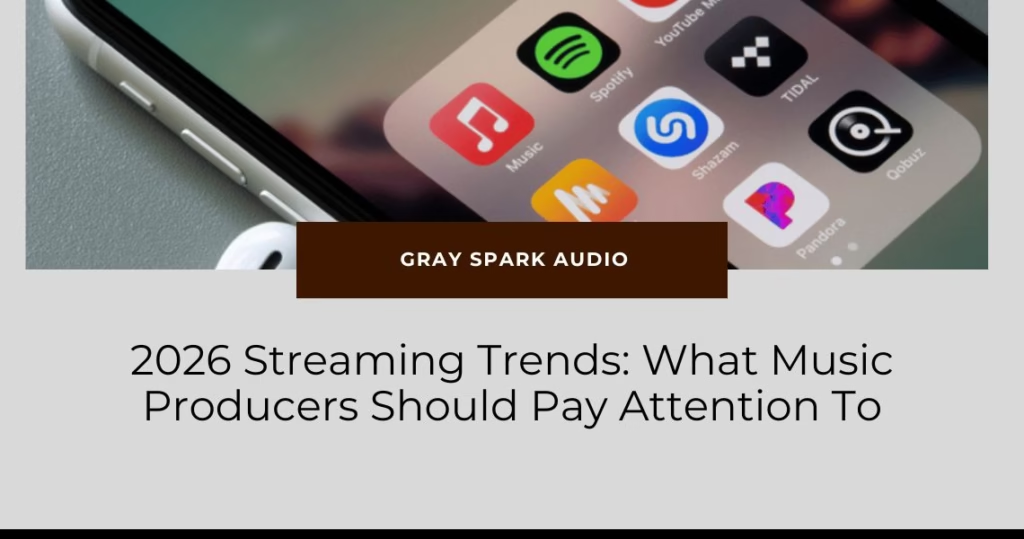
If you’ve been paying attention to the way music is listened to and recommended over the last few years, one truth is clear:Streaming isn’t just where people hear music — it’s where music lives.For music producers, understanding how streaming is evolving can mean the difference between making music that gets heard and making music that gets buried.

Let’s break down the 2026 streaming trends that every forward-thinking music producer ought to know.

 1. Personalization Is Getting Personal(er)

Streaming platforms are no longer using simple “genre buckets” to recommend music. Algorithms now analyze listening patterns at a deeper level — including:

  • When someone skips your track

  • What sections they loop

  • Mood preferences at certain times of day

  • Listener engagement with similar artists

For music producers, this means:
 Think beyond “loudness” and genre tags.
 Understand listener behavior and how your track fits into that.


In other words: your next mix might need attention not just in the studio but in the algorithmic context.

2. Short-Form Listening Experiences Are Rising

Everyone knows TikTok changed everything. In 2026, the trend is no longer just snippets going viral — but streaming platforms actively surfacing short highlights in playlists and recommendations.

For music producers, this means the first 30 seconds of a track matter more than ever.

Focus on:

  • Early hook placement

  • Vocal presences up front

  • Distinctive sonic branding at the start


A great ending won’t matter if the first moments don’t capture the listener.

3. Genre Blending Is the New Normal

In 2026, listeners don’t just follow genres — they follow vibes.

What that means for music producers:

  • Traditional genre boundaries are dissolving

  • Folk meets hip-hop meets electronica in the same playlist

  • Cultural fusion leads to bigger global reach

Be intentional about blending styles, not messy. Today’s data shows tracks with cross-genre appeal often have higher replay value — and replay matters in streaming metrics.

4. Immersive Audio Is No Longer Optional

Spatial and immersive formats like Dolby Atmos are moving beyond niche. With Apple Music, TIDAL, and others pushing immersive formats, producers need to think in 3D.

This affects:

  • arrangement choices

  • panning and depth placement

  • layering of instruments

  • headphone vs speaker experience


For music producers preparing for 2026, understanding immersive mixes isn’t just extra — it’s expected.

 5. Analytics Are Becoming Creative Tools

Streaming isn’t just a distribution platform — it’s feedback.

Metrics like:

  • skip rates

  • playlist adds

  • completion percentages

  • geographic engagement

  • mood tagging

…tell producers what parts of a song worked and which ones didn’t.


Instead of waiting for critics, today’s producers watch data in real time and refine their sound accordingly

6. Revenue Streams Are Fragmenting

Spotify, Apple Music, and Amazon aren’t the only players anymore. New services and curated niche platforms mean revenue isn’t centralized.

This trend means:

  • producers should understand different pay models

  • mastering for platform preferences matters

  • metadata accuracy affects payouts


For example: a track that thrives on one platform may perform very differently on another — and that affects income.

Conclusion: Producers Who Understand Streaming Will Thrive

In 2026, streaming isn’t just a listening mechanism — it’s a feedback loop, a data source, a creative lens and a career driver for music producers.

To stay ahead:

  • make your intros count

  • learn from analytics

  • think beyond genre

  • embrace immersive audio

  • and above all, consider why people listen to your music


When you treat streaming as an active partner — not a passive platform — you shift from making tracks to making meaningful experiences.